CEA (Construction Equipment Association) has welcomed Emissions Analytics as a new member, bringing additional expertise in real-world emissions measurement and off-highway machinery to the association.
Emissions Analytics is an independent emissions testing and data specialist, working across road vehicles, heavy-duty equipment and non-road mobile machinery (NRMM).
For the construction equipment sector, its work is particularly relevant because it focuses on how machines perform in real operating conditions.
Using Portable Emissions Measurement Systems (PEMS), Emissions Analytics can measure emissions directly from machinery while it is working, rather than relying solely on laboratory testing or standardised duty cycles.
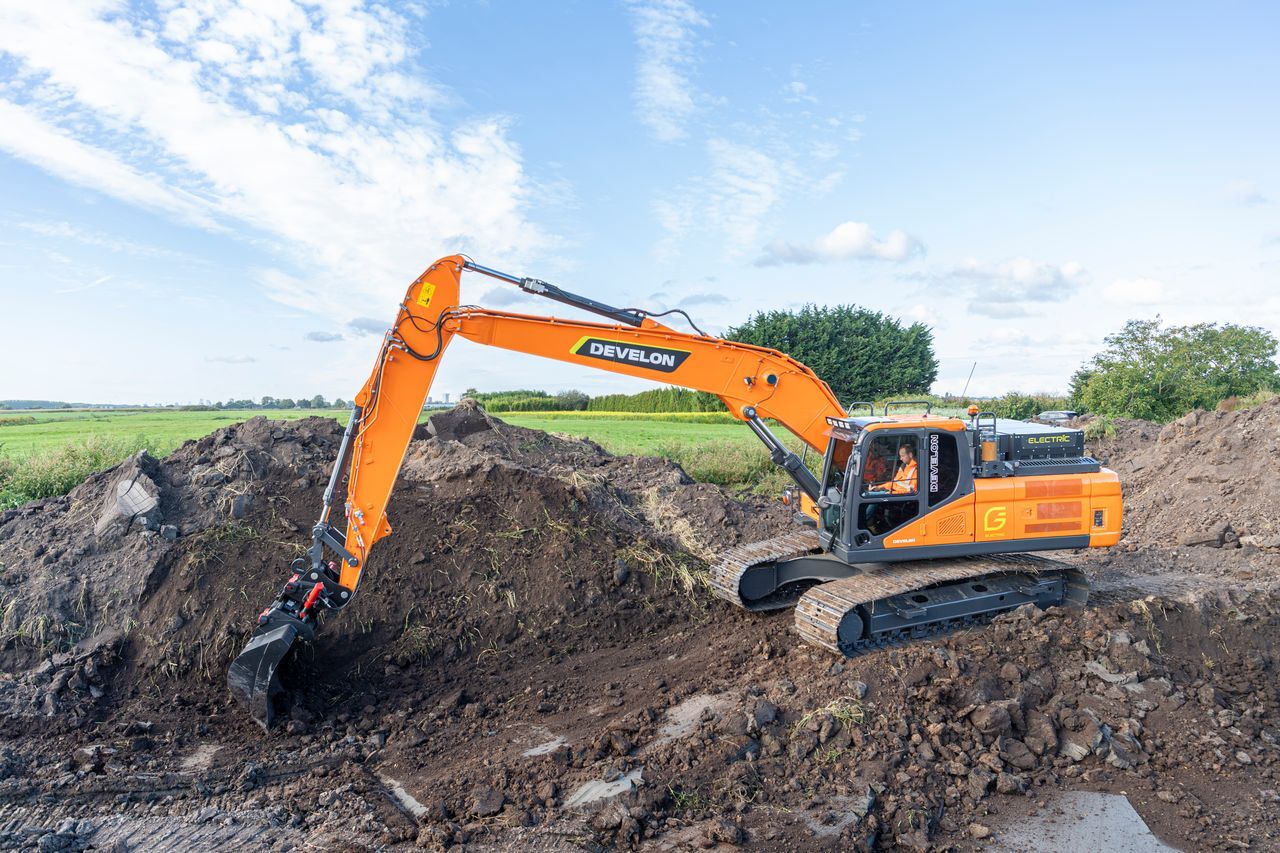
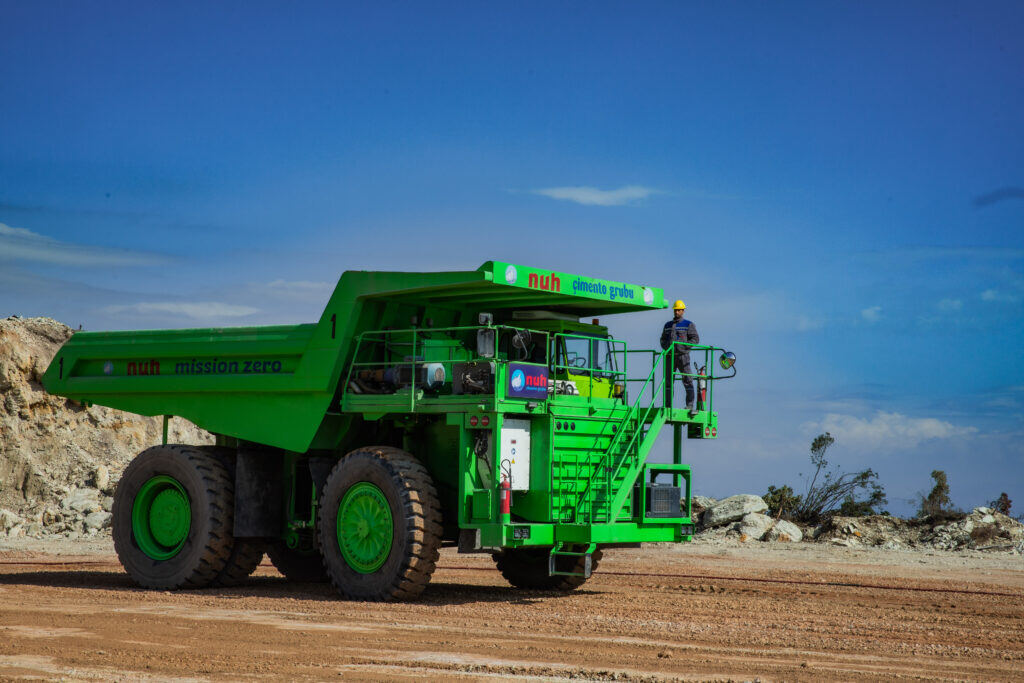
That can include equipment such as excavators, bulldozers, wheel loaders, haul trucks, generators and crushers operating on construction sites, in quarries and in other demanding environments.
The approach reflects one of the key challenges facing the construction equipment industry. Machines rarely operate under consistent conditions. They can spend long periods idling, work under rapidly changing loads and carry out very different tasks over the course of a working day.
As a result, the emissions and energy use of a machine can vary significantly according to its application, operating environment, utilisation and workload.
Emissions Analytics has previously worked with King's College London on research into emissions from construction machinery operating on active sites in London.
The programme looked at around 30 machines across nine different equipment types, including telehandlers, excavators and generators, measuring pollutants including NOx, CO2 and particulate emissions.
Its work also extends into Stage V in-service monitoring, helping to assess how machinery performs once it is operating in the field and how factors such as age, maintenance, load and duty cycle can affect real-world emissions.
This type of independent data is becoming increasingly important as manufacturers and equipment users consider the next generation of power solutions.
The construction equipment industry is currently assessing a wide range of technologies and fuels, from increasingly efficient internal combustion engines to battery-electric machinery, hybrids, hydrogen, HVO, biodiesel and synthetic fuels.
Emissions Analytics takes a technology-neutral approach to this transition, recognising that no single solution is likely to suit every machine or every application.
The requirements of a compact machine operating intermittently on an urban site, for example, can be very different from those of a large excavator, wheel loader or haul truck working long shifts under heavy load.
Available infrastructure, machine utilisation, energy demand, productivity and total operating requirements all play a part in determining which technologies are practical.
This makes reliable real-world evidence increasingly valuable.
As manufacturers develop new machines and powertrains, and fleet owners make decisions about future equipment investment, understanding how different technologies perform outside controlled test conditions will be an important part of the discussion.
The same applies to alternative fuels. Their potential benefits can vary according to how and where machines are used, as well as the availability and production of the fuel itself.
For CEA members, Emissions Analytics therefore brings expertise that sits directly alongside many of the technical and regulatory challenges currently facing the construction equipment sector.
Its membership adds further technical knowledge to the CEA community at a time when manufacturers and the wider industry are weighing up increasingly complex choices around emissions, fuels, electrification and future power.
By bringing independent testing and real-world data into those discussions, Emissions Analytics can help provide a clearer picture of how different technologies perform where it matters most: on working machines in real applications.