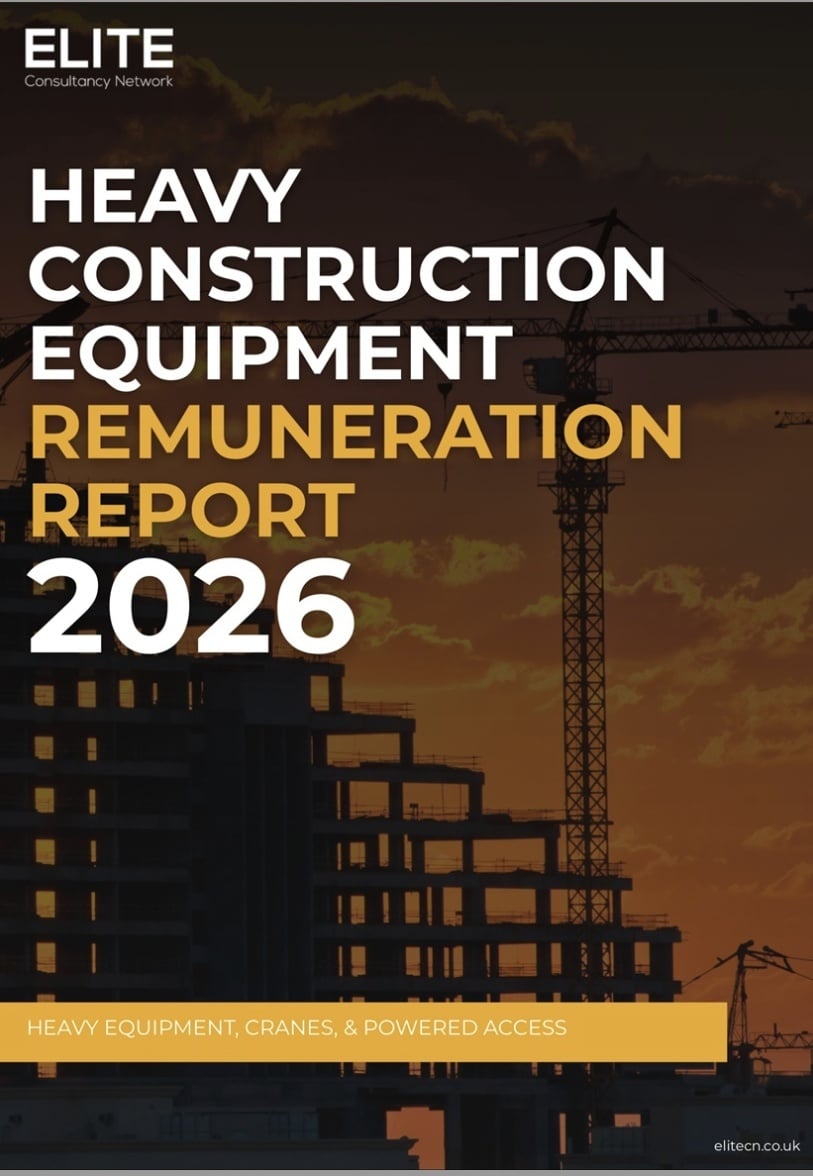
Pay still matters in heavy construction equipment, but the latest remuneration findings presented to CEA members suggest it is no longer the only factor shaping how people judge a role. Across the sector, employers are facing a broader challenge: not just what they pay, but the overall package that sits around it. That is one of the clearest messages from the ELITE Consultancy Network Heavy Construction Equipment Remuneration Report 2026.
That was one of the clearest messages from the remuneration section at the CEA Members’ Forum, presented by Simon O’Connor, Managing Director, and Chris Rowlands, Group COO, of Elite Consultancy Network. Their findings pointed to a market where salary remains important, but where benefits, flexibility and support for health and wellbeing are playing a bigger part in recruitment and retention.
The survey drew more than 700 responses from across the UK, covering equipment manufacturers, dealers, cranes and powered access, and hire and rental. It also spanned technical, sales and operational roles, giving a useful picture of how people across the sector now view reward.
On the face of it, the headline pay picture is steady. Most respondents said they do feel fairly paid, although a sizeable minority said they do not. That says a lot. This is not a market in open revolt over wages, but nor is it one where employers can afford to be complacent, especially when experienced engineers, sales professionals and operational leaders remain hard to replace.
What makes the report more interesting is that it goes beyond salary tables. It shows a clear shift in what people value. For job seekers, the highlighted priorities include higher base pay, clear salary information, flexibility where possible, work-life balance, and a benefits package that offers genuine financial security. For people already in post, the message is similar: flexibility, pay, financial security, and support for health and wellbeing all matter.
The benefits data backs that up. Practical support still carries weight, with a company van or car allowance standing out strongly in the financial category. Private healthcare was a clear priority in the physical benefits section, while Employee Assistance Programmes led the mental wellbeing category. Flexibility also featured prominently, with flexible working hours and remote work among the most valued options where available.
Taken together, the findings suggest something straightforward but important. In this sector, people are not simply looking at the salary figure. They are looking at the broader shape of the offer: whether it supports their health, whether it offers some flexibility, and whether it feels practical given the reality of the job.
That matters even more in a market where hiring remains difficult. The wider report material highlights continuing candidate shortages, alongside greater investment in upskilling, apprenticeships and skills-based hiring. At the same time, employers are dealing with broader changes in electrification, automation, telematics, safety expectations, and the need to retain experienced people while bringing in new talent.
The salary bands shown at the forum still matter, of course, and they underline the spread across technical, sales and operational roles across different parts of the UK. But the bigger takeaway is not simply that some regions or disciplines command more than others. It is that salary now sits inside a broader reward conversation.
For many businesses, that means thinking more carefully about what makes a role feel worth staying in for. Fair pay remains central, but it is no longer enough on its own. People also want benefits that feel useful, support that feels relevant, and an employment package that reflects the pressures of modern working life.
That is exactly why practical, accessible benefits are becoming more important in the sector’s wider employment offer. As Viki Bell, CEO of the CEA, put it: “By partnering with Personal Group and making Hapi available to members, we’re giving businesses a practical way to support their whole workforce.” Hapi is a versatile platform available on both app and desktop, making it easy for employees to access their rewards, benefits and wellbeing support anytime, anywhere. The partnership between the CEA and Personal Group is a strategic effort to improve employee wellbeing and engagement across the sector, which is essential in helping employers address the skills gap.
That is why this report matters. It is not just telling employers what people are paid. It is showing how people are thinking. And the message is straightforward: pay still matters, but it is no longer enough on its own. Employers who want to attract and keep good people need to look at the whole package and ask whether it feels fair, practical and worth staying for the long term.
Links:
ELITE Consultancy Network/remuneration report
CEA WorkForce / Hapi