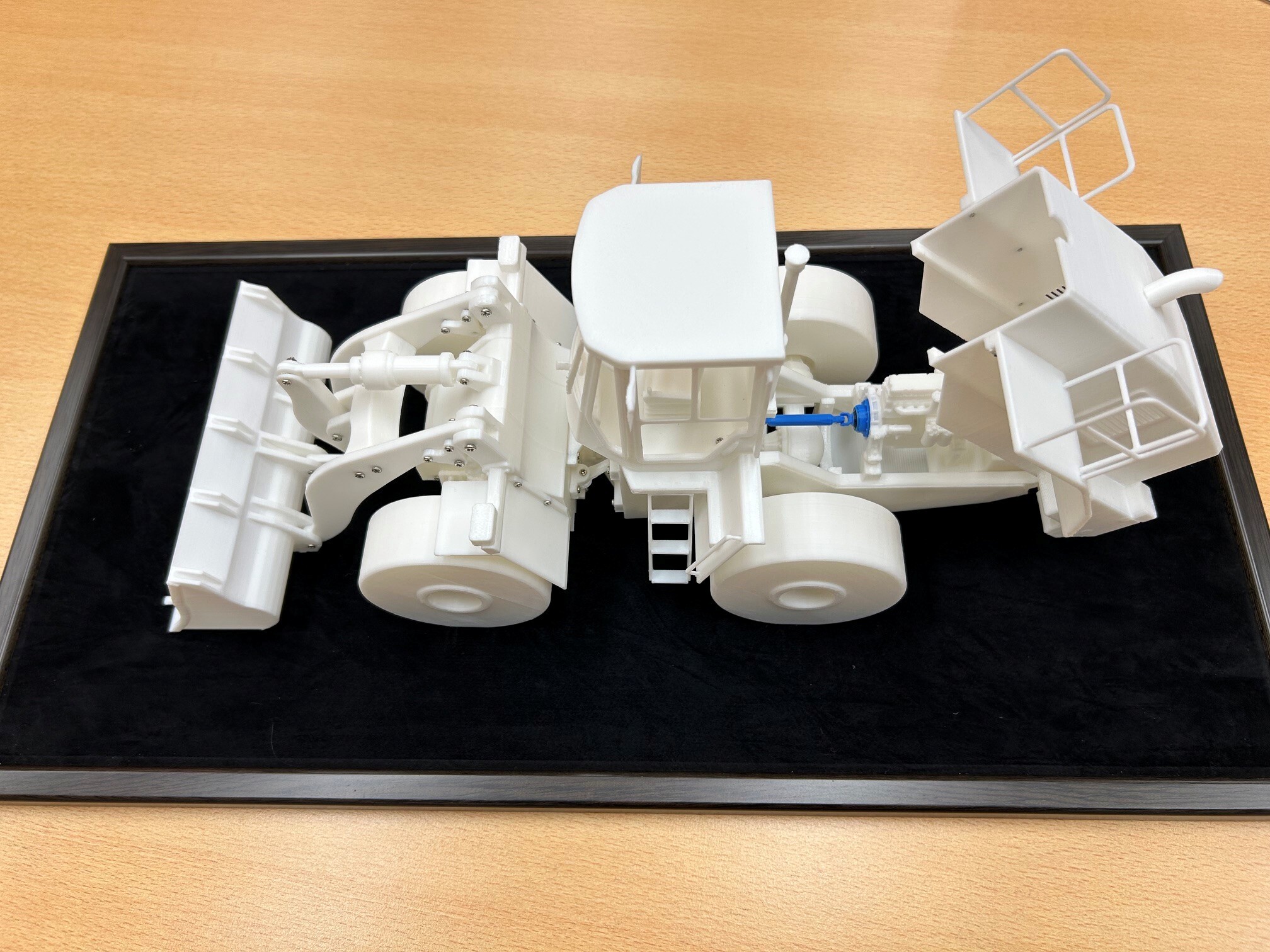
CEA member Reich Drive Systems UK examines why correct drive coupling selection and maintenance are important for machinery reliability and reducing unplanned downtime.
Keeping equipment working reliably depends on much more than engines, motors and gearboxes. Smaller components within the drive train also play an important role, and problems with these can lead to disruption and expensive repairs.
One example is the drive coupling, which connects a power source to driven equipment and transmits torque. Depending on its design, a coupling can also accommodate misalignment and help absorb shock loads and vibration, protecting other parts of the drive train.
David Proud, UK Director of Reich Drive Systems UK, explains that selecting the correct coupling involves considerably more than finding a component that fits.
Engineers need to consider torque, operating speeds, starting and stopping frequencies, shock loading, temperature and environmental conditions. Maintenance requirements and accessibility are also important factors.
When failure is a warning
An incorrectly specified coupling may operate under stress for some time before showing signs of wear. The consequences can extend beyond the coupling itself, with excessive strain on bearings, shafts and gears, potentially leading to unplanned downtime.
Interestingly, a coupling failure does not always mean the coupling itself was at fault.
Reich explains that couplings effectively act as a mechanical fuse within the drive train. In some circumstances, their failure can protect more expensive components from serious damage.
For maintenance teams, understanding the reason behind a failure is therefore essential. Replacing a damaged coupling with an identical component without investigating the underlying cause could result in the same problem occurring again.
Changes in operating conditions, increased loads, excessive vibration or misalignment may all contribute to premature failure.
Preventing costly downtime
Reich recommends a proactive approach to maintenance, including regular equipment reviews to identify ageing components, potential weaknesses and areas where specifications may need reassessing.
Correct component selection at the design stage is equally important. A coupling must be capable of handling expected operating conditions, with appropriate safety margins.
Ease of maintenance should also influence specification. Selecting components designed for straightforward servicing or replacement can help reduce the time equipment spends out of operation.
Training maintenance engineers to recognise potential problems and understand the requirements of individual components can provide further benefits.
For construction equipment manufacturers and suppliers, the message is clear. Equipment reliability depends on the performance of the entire drive train, including components that rarely attract attention until something goes wrong.
Taking the time to specify, install and maintain these components correctly can help protect machinery, extend service life and minimise costly interruptions.
David Proud said: “Drive couplings are often overlooked until something goes wrong, yet their correct specification is essential to the reliability of the entire drive train. Taking the time to select the right component, and understanding why failures occur, can help prevent costly downtime and damage to other equipment.”
Reich Drive Systems UK is a member of the CEA (Construction Equipment Association).